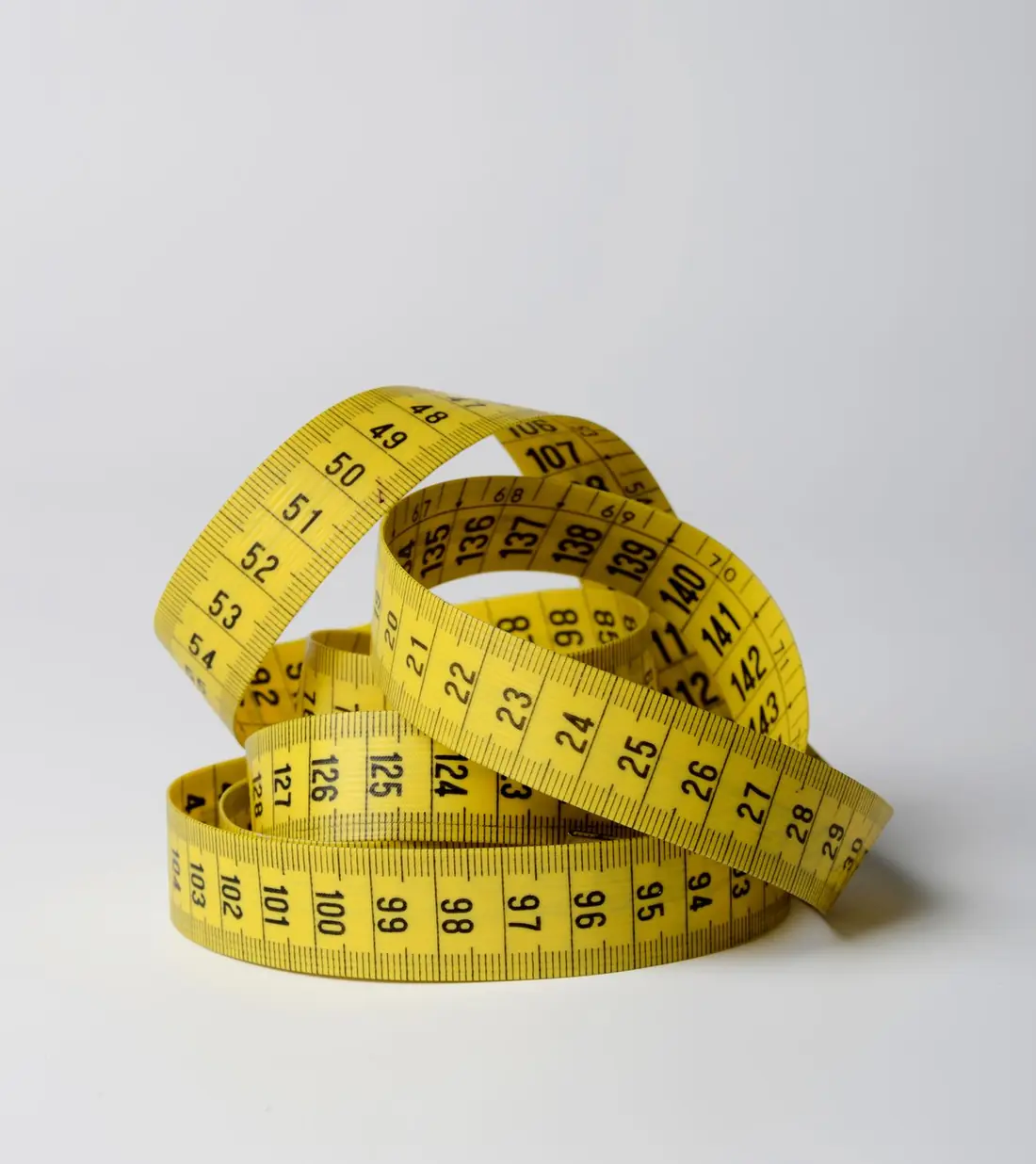
Wrong sizes are the number-one reason bulk apparel orders go wrong. A box of 200 t-shirts with too few mediums and too many XXLs creates exchanges, delays and unhappy employees. This t-shirt size chart and size-split guide for bulk corporate orders shows how to read a size chart, plan a size split for your team and avoid the re-orders we see most often.
Why sizing is harder in bulk
When you buy a single t-shirt you try it on. In bulk you commit to hundreds of pieces based on a chart and an estimate. Add the fact that brands, fits and fabrics differ — a 180 GSM cotton tee and a 240 GSM oversized tee in the same “L” fit differently — and the margin for error is real. The answer is a clear process, not luck.
Reading a size chart
Size charts list body or garment measurements. Understand the difference: body measurements describe the person; garment measurements describe the finished product, which includes ease (extra room). Always ask which a chart shows. An indicative unisex round-neck chart looks like this:
| Size | Chest (in) | Length (in) | Shoulder (in) |
|---|---|---|---|
| S | 38 | 27 | 16.5 |
| M | 40 | 28 | 17.5 |
| L | 42 | 29 | 18.5 |
| XL | 44 | 30 | 19.5 |
| XXL | 46 | 31 | 20.5 |
These are indicative garment measurements for a regular fit; we share exact charts for each style, and fits vary for women’s, oversized and slim cuts. General background on clothing sizing is covered in this overview of clothing sizes.
Method 1: collect individual sizes
For teams under about 300 people, the most accurate method is to ask each person. Share a short form with the size chart and a photo or description of the fit. Ask for chest measurement or the size they usually wear in a similar style. Set a deadline and follow up on non-responders. Add a 3–5% buffer for late joiners.
Method 2: use a standard size split
For large or unknown groups, use a split based on typical distributions. For a mixed team in India, a common starting point is:
| Size | Mixed team | Mostly men | Mostly women |
|---|---|---|---|
| S | 10% | 3% | 22% |
| M | 30% | 20% | 36% |
| L | 30% | 32% | 25% |
| XL | 20% | 28% | 12% |
| XXL+ | 10% | 17% | 5% |
These percentages are indicative. Our size-split calculator applies them to your quantity and gives piece counts.
Method 3: a fitting kit
For large or sensitive programmes (uniforms, hospital staff), send a set of size samples — S to XXL — to your site so employees try them on and record their size. We provide fitting sets on request.
Fit styles matter
- Regular unisex: the default for most corporate tees.
- Women’s fitted: shorter body, narrower waist; order separately.
- Oversized / drop shoulder: size down if the team prefers a regular look.
- Slim fit: for younger, sport-oriented teams.
Fabric affects fit
Pure cotton may shrink slightly; lycra cotton stretches and recovers; dri-fit is stretchy but has little give in length. Choose pre-shrunk fabric for bulk orders; see the GSM guide for fabric notes.
Exchanges and reserves
- Order 3–5% extra pieces in a spread of sizes for late joiners and mismatches.
- Agree an exchange route with your supplier before the order.
- Keep labelled spare stock in the office.
Packing by size
For distribution, ask for individually bagged garments with size stickers or employee-name labels. It speeds up handing out and reduces mistakes. We pack this way on request.
Plan it with us
Share your headcount and profile and we will recommend a split, send a size chart for your chosen style and approve a size set before production. Browse corporate t-shirts and polo t-shirts, read the bulk ordering guide or contact us.
A short script for collecting sizes
When you email your team for sizes, include three things: a size chart with garment measurements, a clear instruction (“choose the size you would normally wear in a regular-fit t-shirt”), and a deadline. Add a line about fit style — “this is a regular unisex cut; if you prefer a looser fit, size up one”. Attach a photo of the garment on a model if possible. Responses typically arrive within two days, and a reminder after day three brings in the stragglers.
What to do with missing responses
For employees who do not respond, apply your split ratio to the remainder and add a small buffer. Keep exchange stock handy so people can swap within the first two weeks. This approach keeps the order on schedule without leaving anyone out.
FAQs
Should we collect individual sizes?
Yes for teams under about 300; otherwise use the split ratios with a 3–5% buffer.
What is the typical size split for a mixed team?
S 10%, M 30%, L 30%, XL 20%, XXL 10%.
Do you provide fitting sets?
Yes, size sample sets can be provided for large programmes.
What if some sizes do not fit?
Order a 3–5% buffer and agree an exchange route in advance.
Keep reading
How to Order Custom Corporate T-Shirts in Bulk: Step-by-Step
A practical 7-step guide to ordering bulk custom t-shirts for your company — fabric, GSM, branding method, sizing, pricing and timelines.
Read →
Embroidery vs Screen Printing vs DTF: Which Is Best for Corporate Apparel?
Compare embroidery, screen printing, DTF and sublimation for corporate t-shirts and uniforms: look, durability, cost and best use cases.
Read →
GSM Guide for T-Shirts: Which Fabric Weight Should You Choose?
Understand GSM in t-shirts — 150, 180, 210, 240 GSM — and choose the right cotton, combed cotton or polyester fabric for corporate and event wear.
Read →