Choosing between embroidery, screen printing and DTF is one of the most common decisions in bulk apparel, and the wrong choice shows up quickly — a cracked print after a few washes, a logo that looks flat, or a bill that is higher than it needed to be. This guide to embroidery vs screen printing vs DTF for corporate apparel explains how each method works, where each one shines, and how we choose for client orders at Groov Station.
Embroidery: the premium choice for small logos
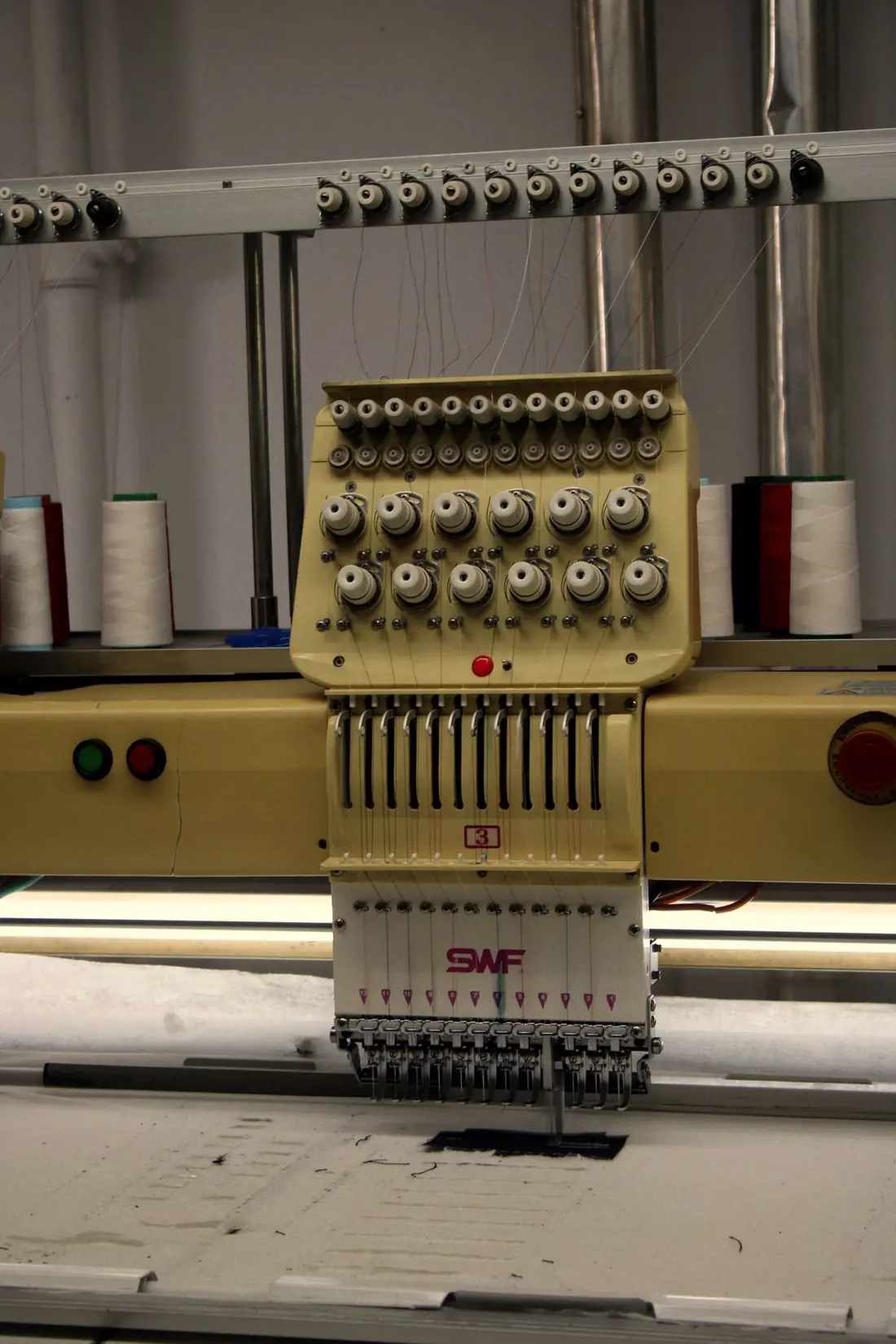
Embroidery stitches your logo into the fabric with thread. The result has texture, depth and excellent durability. Because it is priced by stitch count, a small chest logo is economical, while a large back design becomes expensive. It suits polo t-shirts, jackets, caps and uniforms — anywhere perceived quality matters. Embroidery needs a digitised file (the artwork converted to stitches). We digitise once and keep the file so repeat orders match exactly. Fine detail below about 1 mm and gradients do not stitch well.
Screen printing: the economical choice for volume
Screen printing pushes ink through a mesh stencil, one colour at a time. Setup costs are fixed, so the per-piece price falls sharply as volume rises — ideal for events, giveaways and large teams with a one- or two-colour logo. Prints can be very durable when cured properly. The limitation is colours: each extra colour adds a screen and cost, so photographic artwork is not a good fit.
DTF: detail and colour for small and mid runs
Direct-to-film (DTF) prints artwork onto a film that is then heat-pressed onto the garment. It handles gradients, small text and unlimited colours without per-colour setup, making it excellent for detailed logos in runs from a few dozen to a few thousand. The print has a slight surface feel and good wash durability when applied correctly.
Sublimation: full-colour for sports kits
For polyester jerseys, dye-sublimation bonds ink into the fibres, so there is no feel, no cracking and unlimited colours. It only works on polyester or high-polyester blends — see our sublimation guide and sports uniforms.
Side-by-side comparison
| Method | Best for | Durability | Cost pattern | Watch out for |
|---|---|---|---|---|
| Embroidery | Polos, jackets, caps, uniforms | Excellent | By stitch count | Fine detail, large areas |
| Screen print | Large runs, 1–3 colours | Very good | Cheap at volume | Many colours |
| DTF | Multi-colour, detailed logos | Good | Flat per print | Surface feel |
| Sublimation | Polyester jerseys | Excellent | Per piece | Polyester only |
How we choose for real orders
- Office polos for 150 staff: embroidered left-chest logo — premium and durable.
- Event tees for 1,000 attendees: screen print, one or two colours.
- Brand tee with a gradient logo for 300 people: DTF.
- Football or badminton team kits: sublimation with names and numbers.
- Hoodies with a back graphic: puff print or DTF, plus a small embroidered chest logo.
Many clients combine methods — for instance, an embroidered chest logo with a printed back design. Our hoodies and jackets often use exactly this mix.
Care tips that make decorations last
- Wash inside-out in cold or lukewarm water.
- Avoid bleach and high-heat tumble drying.
- Iron on the reverse side, never directly on a print.
- Store embroidered pieces flat or on hangers to avoid puckering.
Artwork and files
Whichever method you choose, clean artwork matters. Provide vector files and colour references, and read how to prepare your logo for printing and embroidery. For brand-critical colours, quote Pantone values.
Our recommendation
If perceived quality matters most, embroider. If cost at volume matters most, screen print. If your logo has many colours or gradients, use DTF. If it is a polyester team kit, sublimate. Not sure? Send us your logo and quantity on our contact page and we will recommend a method and share a free mockup. For the wider picture, read our guide to custom corporate t-shirts in bulk.
Questions buyers ask us most often
“Will the logo crack after washing?” A well-cured screen print or properly applied DTF transfer should survive many washes if the garment is washed inside-out in cold water. Cracking usually comes from under-curing, a very heavy ink layer or hot tumble-drying. “Can embroidery damage thin fabric?” Dense stitching on very light fabric can pucker; we use a backing (stabiliser) and recommend 200 GSM or heavier for stitch-heavy logos. “Which is best for a tight deadline?” DTF and heat transfer are quickest because there is no screen setup or digitising; embroidery needs digitising and a stitch-out sample first. “What if my logo has a gradient?” Choose DTF or sublimation; embroidery turns gradients into flat colour.
If you tell us the garment, quantity and deadline, we will recommend the method and explain the trade-off in plain terms — even if the answer is the cheaper option.
FAQs
Is embroidery better than printing for corporate apparel?
Embroidery looks more premium and lasts longer, but suits small logos; printing suits large graphics and high volumes.
What is DTF printing?
Direct-to-film printing transfers a printed film onto fabric with heat, allowing detailed multi-colour artwork.
Which method is cheapest in bulk?
Screen printing for one- or two-colour designs at high volume.
Can I combine embroidery and print on one garment?
Yes — for example an embroidered chest logo and a printed back design.
Keep reading
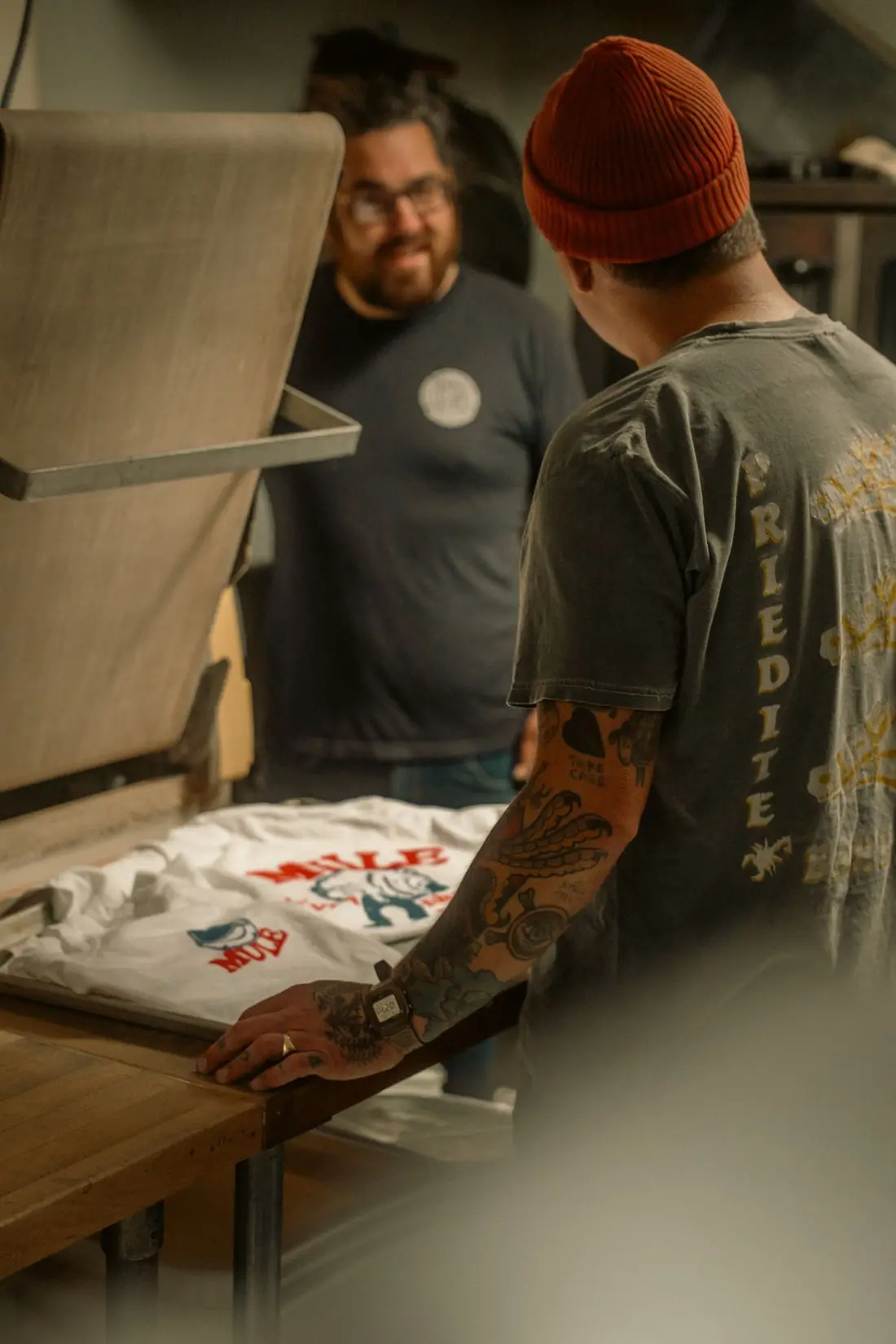
How to Order Custom Corporate T-Shirts in Bulk: Step-by-Step
A practical 7-step guide to ordering bulk custom t-shirts for your company — fabric, GSM, branding method, sizing, pricing and timelines.
Read →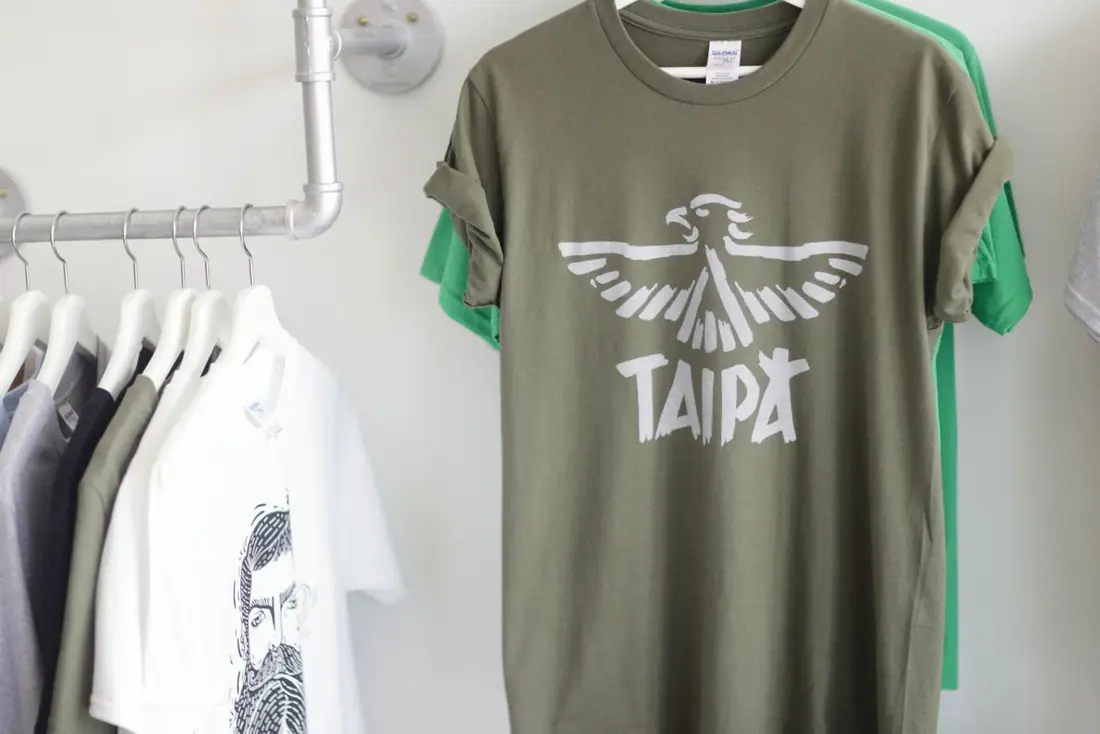
GSM Guide for T-Shirts: Which Fabric Weight Should You Choose?
Understand GSM in t-shirts — 150, 180, 210, 240 GSM — and choose the right cotton, combed cotton or polyester fabric for corporate and event wear.
Read →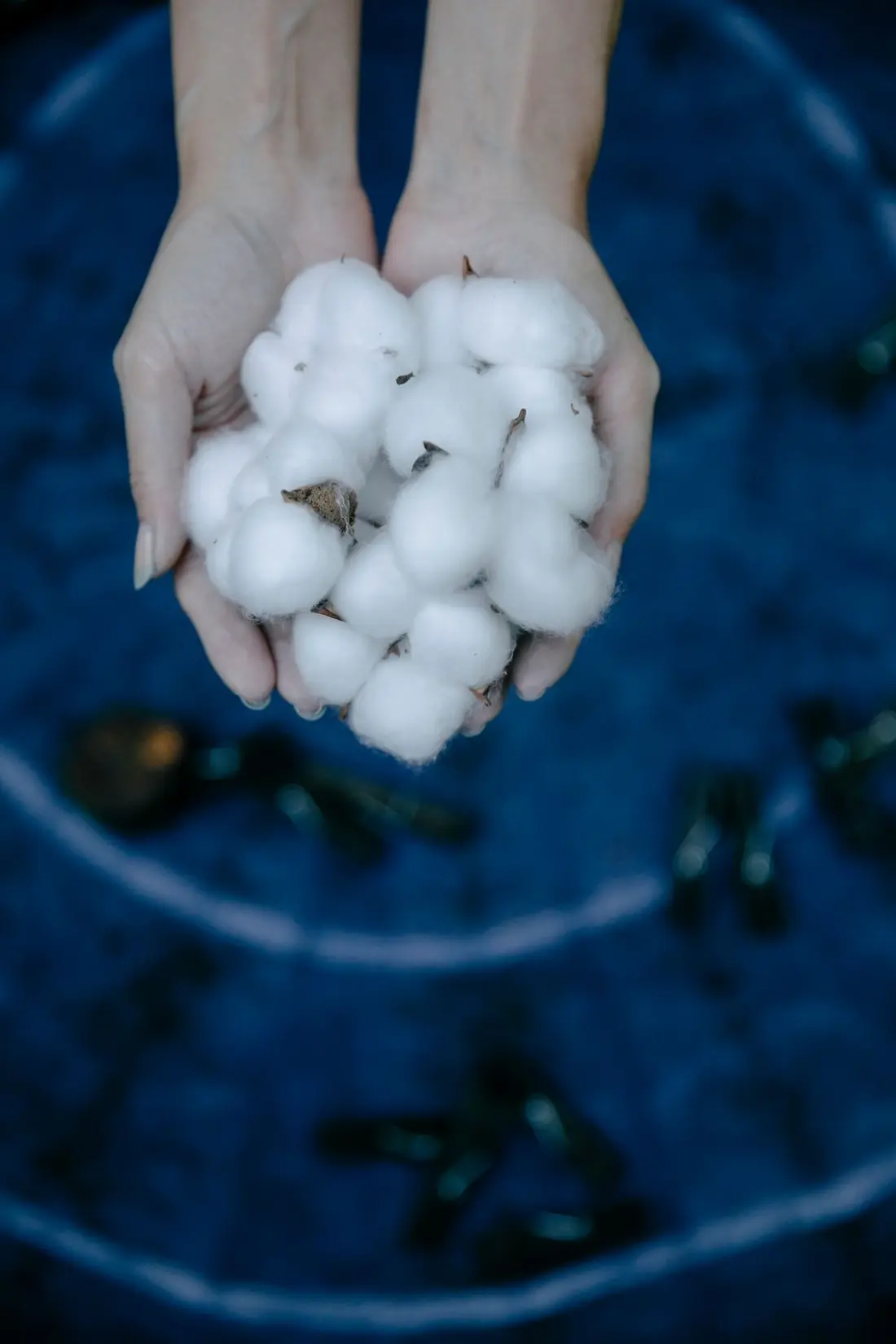
Eco-Friendly Corporate Gifts in India: Sustainable Ideas Employees Love
Sustainable corporate gift ideas — organic cotton tees, recycled-material products, plantable stationery, steel bottles — and how to avoid greenwashing.
Read →