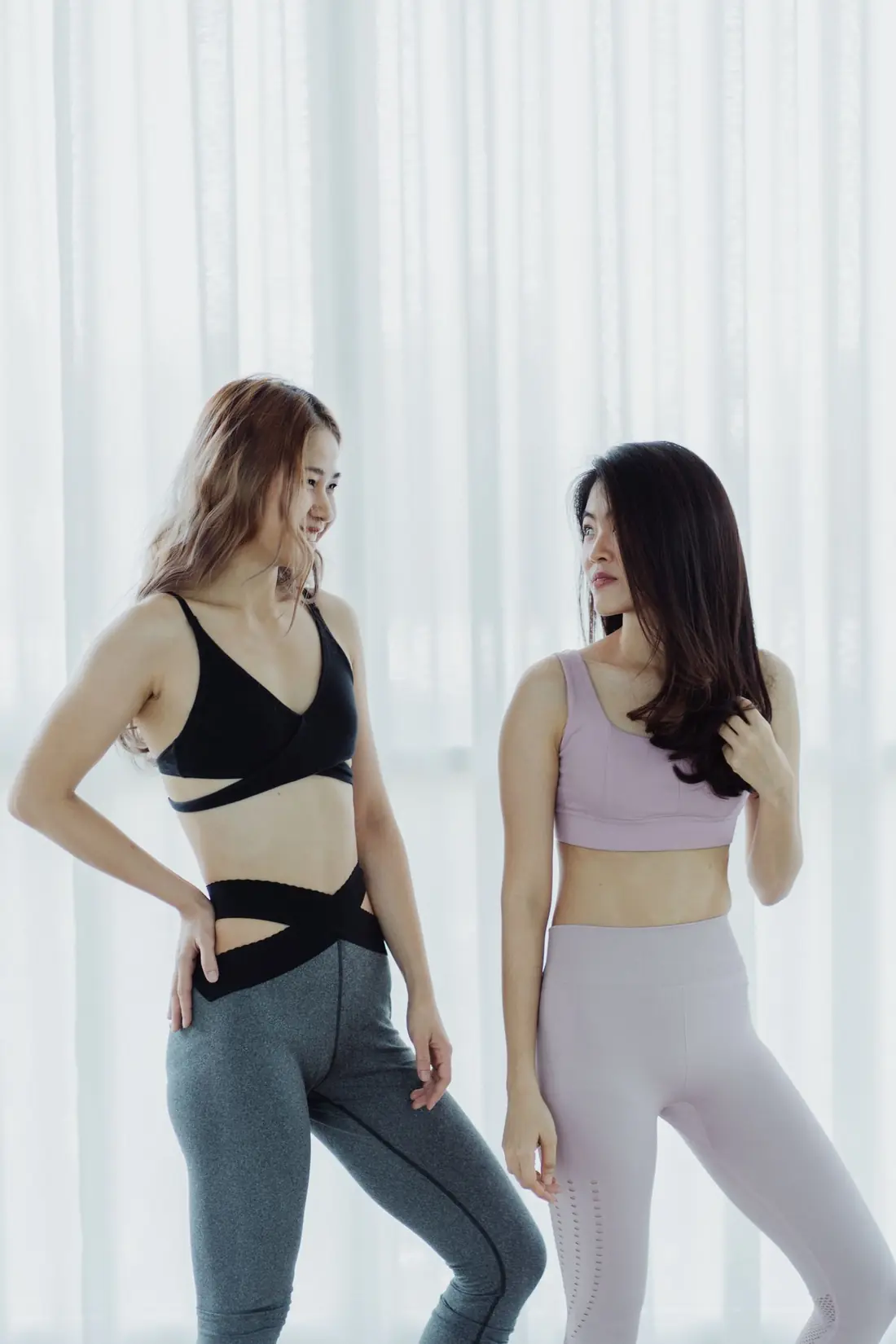
Fitness brands, studios and influencers regularly ask us the same thing: “can we get our own line of activewear made?” The answer is yes — and our own in-house label, Groov Sports, is built on the same manufacturing process. This guide to private-label activewear manufacturing explains the steps from concept to delivery, the decisions that shape cost and quality, and what to expect from a first production run.
What “private label” means
Private label (or white label) manufacturing means a producer makes garments to your design or selection and ships them under your brand, with your labels and packaging. You own the brand, the customer relationship and the retail price; the manufacturer handles sourcing, sampling and production. It lets you launch without owning a factory.
Step 1: Define the range
Start small. Three to five hero products — for example leggings, a sports bra, a training tee, a jacket and shorts — are enough for a first drop. Define your target customer, price point and style. Keep colours limited to a palette of three to five.
Step 2: Create a tech pack
A tech pack is the blueprint: sketches, measurements, fabric specification, stitching details, trims and labels. A good tech pack removes guesswork and cuts sampling rounds. If you do not have one, a manufacturer can help create it from references.
Step 3: Choose fabrics
| Fabric | Properties | Used for |
|---|---|---|
| Nylon-spandex | Soft, smooth, high stretch | Leggings, yoga wear |
| Polyester-spandex | Durable, quick-dry, holds colour | Gym wear, running |
| Dri-fit / micro-polyester | Lightweight, wicking | Tees, jerseys |
| Cotton-spandex | Natural feel, stretch | Lounge and casual |
Key tests: opacity (the “squat test”), stretch recovery, pilling and colour-fastness to sweat. Standards like OEKO-TEX give assurance on harmful substances; ask what can be documented.
Step 4: Sampling and wear-testing
Expect two or three sample rounds. Evaluate fit on real bodies, move in the garment, wash it several times and check seams, opacity and print. Fix issues before bulk — it is far cheaper than fixing a full run.
Step 5: Branding and packaging
- Neck labels, care labels and size labels with your brand.
- Heat-transfer or woven brand marks.
- Poly-bags, hang-tags and boxes.
- Barcodes or SKUs if you sell through retail.
Step 6: Production and quality control
Bulk production follows approved samples, with checks at fabric inspection, cutting, stitching and final audit. We can start from just 5 pieces per design for samples and pilots (pricing improves from 100 pieces), with first runs taking about 15–25 working days from approval, depending on complexity.
Costs to plan
- Fabric and trims.
- Sampling and tech pack work.
- Labels, packaging and photography.
- Shipping and duties (for exports).
- Marketing and returns allowance.
Common beginner mistakes
- Launching too many styles and colours.
- Skipping wear-testing.
- Ignoring size grading and inclusive sizing.
- Underestimating timelines for sampling.
- Choosing the cheapest fabric and paying for returns later.
Working with Groov Sports
Our Groov Sports range covers yoga pants, leggings, badminton kits and gym essentials, and we manufacture private-label activewear for studios, clubs and fitness brands. See Groov Sports, our sports uniforms and the team kit guide. Compare methods in our sublimation guide.
Start the conversation
Tell us your range idea, target price and timeline and we will suggest fabrics, a sampling plan and an honest cost range. Contact us or read about our story.
What a first run really looks like
New brands often expect everything to go smoothly in the first run. In practice, expect surprises: a colour that looks different in daylight, a seam that rubs, a size chart that needs revising. This is normal. Plan a buffer in your launch calendar, keep your first run small enough to afford changes, and treat the first batch as a learning round. Strong brands are built on the second and third drops, after real customers have worn and reviewed the first.
Positioning and pricing
Work backwards from your retail price. A common rule is that retail price is around three to four times the landed cost. If your target price is ₹2,499, your all-in cost per piece should be around ₹600–₹800. Share this target with your manufacturer early so fabric and trim choices stay realistic.
FAQs
What is the MOQ for private label?
Around 5 pieces per design.
How long does a first run take?
About 15–25 working days from sample approval.
Do you help create a tech pack?
Yes, from references or sketches.
Can I use my own labels and packaging?
Yes — neck labels, care labels, hang-tags and boxes can be branded.